Last week we learned how engaging the feet correctly encourages a healthier spinal alignment. This week, we will be exploring what it means to have a "neutral" pelvis and how that contributes toward healthier posture.
First, it might be helpful to explore how it feels when we create a forward tilt in the pelvis (which increases the curve in the low back) and a backward tilt (which curls the tailbone under and flattens the low back).
Try this exercise, either standing or seated. Taking your hands onto your hips, tilt the pelvic forward and back a few times. Just notice how this feels. If you have any pain or discomfort in either direction, please don't go so far. We just want to become familiar with how this action effects the spinal curve in the low back.
When we tilt the pelvis forward, the curve in the low back increases and when we tilt the pelvis backward, the curve in the low back decreases or flattens and the tailbone curls under.
When we have a neutral pelvis, there is a little bit of a natural curve. This curve allows the vertebrae to rest upon one another in a way that is structurally sound.
Problems may arise however, if the curve is exaggerated. It may cause the muscles in the low back to become tight and perhaps weak. It will also send our center of gravity, which is in the pelvis, forward. This can have negative effects on our balance.
When the pelvis is in a healthy position, it allows the rest of the spine above it to find a healthier alignment as well.
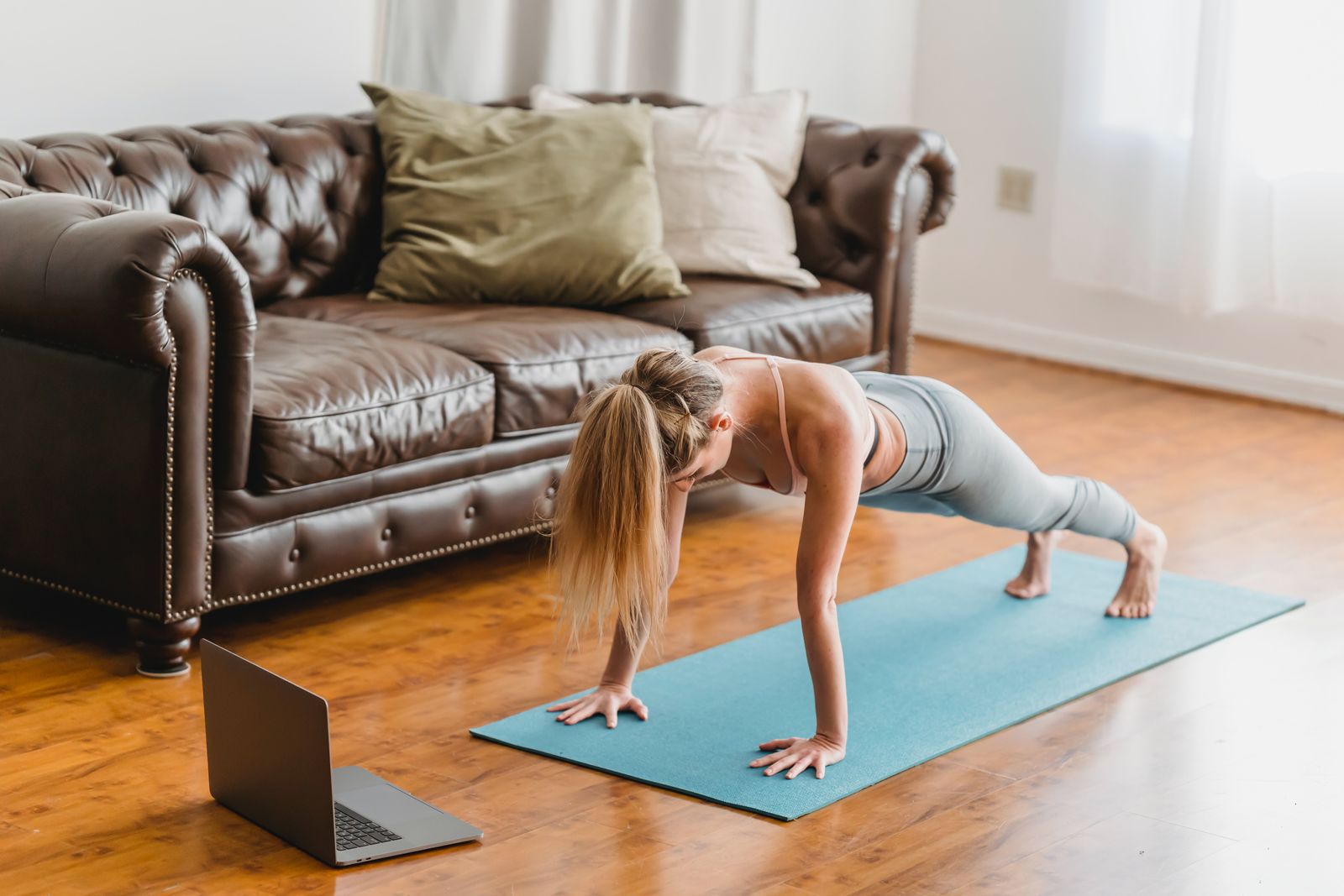
In class this Thursday night, we will be exploring ways to strengthen the muscles which support this neutral pelvic position, using postures such as bridge, plank and side plank.
Feel free to join us if you like, using the link below. We would love to see you.
 OfferingTree